


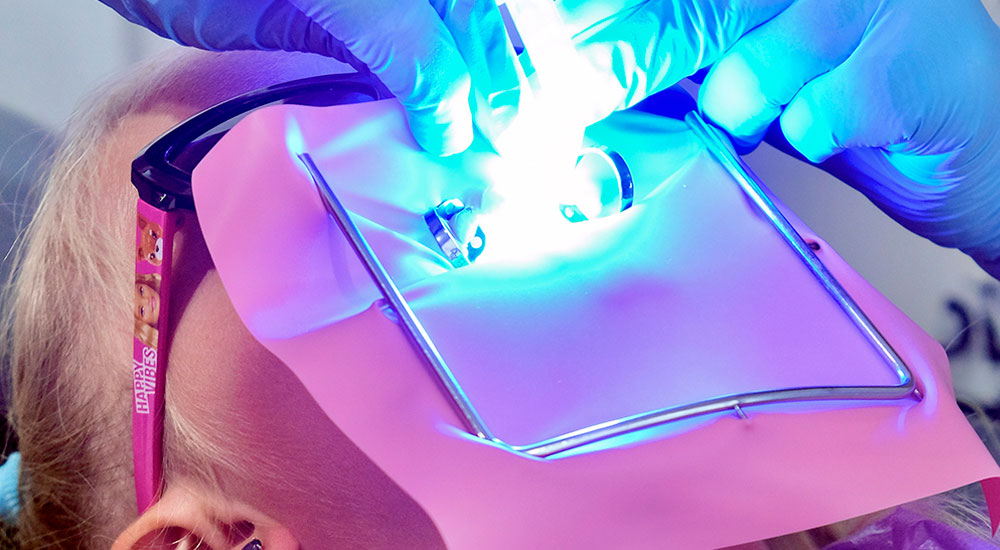
Emergency Dental Care for Children
Emergency dental treatment in children is a rapid assessment and intervention process applied to quickly ensure the child’s comfort and prevent major complications in cases of sudden pain, trauma, swelling, bleeding, infection, or unexpected dental problems. Emergency situations in pediatric dentistry are not limited to severe pain alone. Tooth fractures after a fall, displacement of a tooth, infections spreading to the facial area, trauma-related lip and soft-tissue injuries, throbbing pains that start at night, or oral complaints that disrupt a child’s eating and sleeping can also be considered emergencies. Therefore, emergency dental treatment in children is an important field that requires professional evaluation without delay.
The main goal in dental emergencies is not only to relieve the pain. The real aim is to quickly identify the cause of the problem, control the risk of infection, preserve the tooth if possible, evaluate tissues in case of trauma, and safely stabilize the child’s overall condition. Especially in cases such as facial swelling, fever, difficulty chewing, limitation in mouth opening, or displacement of a tooth after trauma, rapid intervention is critical. Delayed evaluation may reduce the chances of saving the tooth and lead to the progression of infection or developmental problems.
Emergency dental treatment in children does not always involve the same procedure. In some cases, temporary or permanent treatment is applied to the cavity causing pain. In some cases, a fractured tooth is repaired; in some traumas, the position of the tooth is checked; in others, infection drainage, medication planning, or extraction may be necessary. In other words, “emergency treatment” is not a single procedure but a prioritized intervention approach determined according to the existing problem. The goal is to provide safe relief in the shortest time possible.
An important aspect of emergency treatment in pediatric patients is behavior management. A child experiencing sudden pain or trauma may naturally be frightened, restless, and have difficulty cooperating. Therefore, the emergency approach in pediatric dentistry includes not only technical intervention but also calming the child, guiding the family correctly, and planning the necessary procedure in accordance with the child’s condition.
In short, emergency dental treatment in children means rapid assessment, correct prioritization, and timely intervention in unexpected oral and dental problems. Early intervention reduces both pain and fear and increases the chances of preserving the tooth, surrounding tissues, and overall oral health.
What Is Emergency Dental Treatment?
Emergency dental treatment is a rapid assessment and priority intervention process for dental and oral problems that begin suddenly or progress quickly, causing pain, infection, trauma, or loss of function in the child. This approach in pediatric dentistry aims to control the existing problem without delay and to prevent more serious consequences. Not every dental issue is an emergency; however, problems that significantly affect the child’s comfort, have the potential to spread, or may damage the tooth and surrounding tissues are considered emergencies.
The most important characteristic of emergency dental treatment is the critical role of time. Especially in cases such as trauma, facial swelling, severe pain, or tooth avulsion, early intervention can directly affect the treatment outcome. The goal is not merely temporary pain relief but to determine the underlying cause, evaluate the severity of the issue, and plan the necessary initial treatment. In some cases, a permanent solution can be applied in the same session, while in others, pain and infection are controlled first, and the definitive treatment is completed in a second stage.
The main conditions that may require emergency dental treatment in children include:
- Severe toothache
- Swelling originating from the tooth or gums
- Tooth fracture due to trauma
- Tooth displacement or looseness
- Complete avulsion of a permanent tooth
- Prolonged bleeding
- Fever and restlessness due to infection
- Difficulty chewing or opening the mouth
Emergency dental treatment is sometimes needed for pain caused by progressive decay. At other times, it arises after trauma during a fall, collision, or play. Additionally, throbbing pains that start at night and wake the child from sleep, infections causing obvious facial swelling, or fractured tooth fragments after trauma are also considered emergencies.
Emergency dental treatment in children, unlike adults, also considers the growth and development process. The distinction between primary and permanent teeth, protection of the developing permanent tooth germs underneath, and the child’s age and psychological condition are important in planning. Therefore, each emergency situation should be evaluated from a pediatric dentistry perspective.
In summary, emergency dental treatment is a rapid, controlled, and prioritized intervention approach for dental problems affecting the child’s pain and health that must be assessed without delay. The goal is both to relieve the child and to prevent the issue from turning into a more serious condition.
How Is Emergency Dental Treatment Applied?
Emergency dental treatment begins with a rapid yet careful assessment. In the first step, the child’s complaint is clarified: is there pain, trauma, swelling, ongoing bleeding, a fractured tooth, or tooth displacement? Then an oral examination and, if necessary, a facial examination are performed. Information such as the child’s general condition, fever, the timing of trauma, and the duration and severity of pain is important for treatment planning. If necessary, an X-ray is taken to evaluate the tooth root, surrounding bone structures, and the development of the permanent tooth underneath.
The emergency treatment approach varies depending on the type of problem. If severe pain is caused by decay, cleaning the infected tissue, placing a temporary or permanent filling, pulp treatment, or extraction may be planned. If there is trauma, the type of fracture, possible displacement, and soft-tissue injury are evaluated. A fractured tooth can be repaired, a displaced tooth can be stabilized, or a follow-up plan can be created. In cases of swelling and infection, reducing pressure, controlling the infection, and planning necessary medications may be required.
The application of emergency dental treatment generally includes the following steps:
- Taking a history of the complaint and the event
- Performing a clinical examination
- X-ray evaluation if needed
- Identifying the source of the pain, trauma, or infection
- Performing the priority intervention
- Planning medication or additional treatment if necessary
- Scheduling a follow-up appointment
In some emergency situations, the aim is not to perform definitive treatment in the first session. The priority is to relieve the child and make the condition safe. For example, in a severely infected tooth, pain control and emergency intervention are performed first, and then a more detailed permanent treatment is planned. In trauma cases, protecting the tooth and evaluating the surrounding tissues are the initial priorities.
Communication is very important during emergency treatment in pediatric patients. A child who is in pain or has experienced trauma may be frightened. Therefore, a gentle yet quick approach is required. Explanations should be appropriate for the child’s age, and procedures should proceed as simply as possible. If necessary, local anesthesia is used to increase comfort.
If the child has more than one problem, the most urgent issue is always addressed first. For example, if there is a fracture and bleeding after trauma, aesthetic details become secondary. If there is severe pain, the cause of the pain is controlled first. This prioritization is the fundamental logic of emergency dental treatment.
In short, emergency dental treatment is applied through rapid assessment, accurate diagnosis, intervention on the primary problem, and planning of necessary follow-up. The aim is always to relieve the child safely and in a controlled manner in the shortest possible time.
Who Is Suitable for Emergency Dental Treatment?
Children suitable for emergency dental treatment are those who experience a sudden dental or oral problem requiring immediate evaluation. There is no age limit. Children in the primary dentition stage, mixed dentition stage, or permanent dentition stage may all need emergency dental treatment. Suitability is determined not by age but by the severity and urgency of the complaint. Children with symptoms such as pain, trauma, swelling, bleeding, or infection are prioritized for emergency evaluation.
If a child has nighttime toothache that does not go away, swelling in the face or gum area, an oral infection accompanied by fever, a fractured tooth, tooth displacement, or complete avulsion, emergency treatment is appropriate. Additionally, situations that seem minor after trauma—such as the child being unable to bite down, close the mouth, or chew comfortably—should also be evaluated as emergencies.
The main conditions that may warrant emergency dental treatment include:
- Children with severe toothache
- Children with gum or facial swelling
- Children whose teeth are fractured due to trauma
- Children with displaced or loose teeth
- Children whose permanent teeth have been avulsed
- Children with persistent oral bleeding
- Children who have difficulty chewing or opening the mouth
- Children showing signs of infection
Some families may consider only major traumas as emergencies. However, even a seemingly minor dental injury in children may be important in terms of the root, surrounding bone, or development of the underlying permanent tooth. Therefore, especially after falls, impacts, and sports injuries, evaluation should not be delayed if any tooth deformation, discoloration, looseness, or fracture is noticed.
Additionally, emergency signs should be interpreted more carefully in children with special healthcare needs, children who cannot clearly express their pain, or those who are too young to describe their complaint. Restlessness, refusal to eat, holding the mouth, waking up at night, facial asymmetry, or bad breath may be indirect signs.
In short, children suitable for emergency dental treatment are all children who have a dental health problem that requires immediate evaluation. What matters is not whether the pain or trauma appears “very severe,” but whether the situation threatens the child’s comfort and oral health. The most accurate decision is made through a pediatric dental examination.
Precautions Before Emergency Dental Treatment
Precautions taken before emergency dental treatment are very important for the child’s safety and for increasing the chances of preserving the tooth. The first rule is not to panic. The calmer the family remains, the easier it is to guide the child. Since time is important especially in trauma cases, instead of waiting at home or making random interventions, the correct first steps should be taken. Different precautions should be taken depending on the type of problem.
If the child has severe toothache, hard foods that may harm the area should be avoided until reaching the dentist, and chewing on the painful side should be prevented. If there is swelling, external cold application may be considered, but hot application should be avoided. If there is bleeding after trauma, gentle pressure can be applied using clean gauze. If the tooth is fractured, the broken fragment can be preserved. If a permanent tooth has been completely avulsed, the situation is much more critical and the tooth should be protected without touching the root and taken to the dentist as soon as possible.
The main precautions to consider before emergency dental treatment are:
- The child should be calmed and panic avoided
- The time and nature of the trauma should be noted
- If there is bleeding, gentle pressure should be applied with clean gauze
- If there is facial swelling, cold compress may be considered
- Any fractured tooth fragment should be kept
- If a permanent tooth is avulsed, the root should not be touched
- Medication should not be given carelessly
- Professional evaluation should be sought as soon as possible
Families sometimes apply aspirin, cologne, alcohol, or other substances directly to the area to relieve pain. These are incorrect and can damage soft tissues. Similarly, trying to force the tooth back into place can be harmful. Especially in primary teeth, incorrect intervention after trauma can affect the development of the underlying permanent tooth.
When bringing the child for treatment, important information should be ready. Details such as when the trauma occurred, whether the child lost consciousness, whether vomiting occurred, whether the tooth was previously painful, fever presence, medications used, and allergies help the dentist. If the trauma affected the facial area and there is suspicion of head or neck injury, broader medical evaluation may be necessary.
It may be helpful for the child not to be extremely tired, very hungry, or overly sleepy when arriving for an emergency appointment; however, in real emergencies, time should not be wasted. The priority is always rapid evaluation of the problem.
In short, the most important precautions before emergency dental treatment are to stay calm, avoid incorrect interventions, apply appropriate first aid, and consult a pediatric dentist without delay. The correct initial approach can significantly affect treatment success.
Precautions After Emergency Dental Treatment
Precautions taken after emergency dental treatment vary depending on the type of intervention performed. However, the main goals are to prevent pain from returning, protect the treated area, reduce the risk of infection, and ensure the follow-up process is not disrupted. Emergency treatment is often the first relieving step. In some cases, definitive treatment is completed in the same session, while in others, pain or infection is controlled first, and additional appointments are required for the next stage. Therefore, post-treatment instructions are very important.
If local anesthesia was used, the family must ensure that the child does not bite the lip, tongue, or cheek until the numbness wears off. After trauma-related treatment, hard foods should be avoided, and oral hygiene should be maintained gently but regularly. If treatment was applied for swelling or infection, medications prescribed by the dentist should be taken at the recommended dose and duration. If the tooth was temporarily relieved and the permanent treatment was postponed, the second appointment should not be neglected.
The main points to consider after emergency dental treatment are:
- Follow the dentist’s medication and care instructions carefully
- Protect soft tissues until numbness wears off
- Choose soft foods if necessary
- Avoid stressing the treated side
- Maintain regular oral hygiene
- Do not skip follow-up appointments
- Seek reevaluation if pain, fever, increased swelling, or bleeding occurs
Follow-up is even more important in trauma-related emergency treatments. Although the tooth may appear stable initially, discoloration, loss of vitality, or root-area problems may develop over time. Therefore, saying “it looks fine now” after trauma is not sufficient. Follow-up should be done at intervals recommended by the dentist.
Similarly, in infection-related emergency treatments, even if symptoms improve, the process may not be completely over. Especially in teeth with temporary intervention, further pulp treatment, filling, or extraction may be necessary. A common mistake among families is delaying permanent treatment once the child feels relieved. However, emergency relief does not mean the problem is fully resolved.
Regarding diet, depending on the procedure performed, hot, hard, sticky, or area-straining foods may be restricted for a short time. But this varies by case. Therefore, individual instructions from the dentist should be followed rather than general rules.
In short, the post-emergency dental treatment period is when recovery is completed safely and subsequent treatment stages are planned if necessary. Family cooperation, medication adherence, oral care, and commitment to follow-up appointments are highly important in this process.
In Which Situations Is Emergency Dental Treatment Applied?
Emergency dental treatment is applied in situations that, if delayed, may increase the child’s pain, spread infection, or reduce the chance of preserving the tooth. In children, these situations often develop suddenly and can be stressful for families. However, it is important to know which problems are truly emergencies. Mild sensitivity or a small cosmetic issue is not always an emergency; in contrast, symptoms such as pain, trauma, swelling, and bleeding require rapid evaluation.
The most common situation requiring emergency treatment is severe toothache. Especially pain that starts at night, wakes the child, and continues despite painkillers is considered an emergency. Facial or gum swelling is also an important emergency condition. This may indicate that the infection is spreading beyond the tooth. Trauma is another major category. After falls, impacts, play accidents, or sports injuries, if the tooth is fractured, loosened, displaced, or completely avulsed, evaluation should be done without delay.
The main situations in which emergency dental treatment is applied are:
- Severe and persistent toothache
- Gum or facial swelling
- Tooth fracture due to trauma
- Tooth displacement or avulsion
- Prolonged oral bleeding
- Signs of infection and fever
- Difficulty opening the mouth
- Dental problems that significantly affect chewing and speaking
Cases in which a permanent tooth is completely avulsed are considered highly critical. In such situations, the time elapsed may affect the chance of reattaching the tooth successfully. In primary teeth, however, trying to force the tooth back into place after trauma may not be appropriate, as it may damage the underlying permanent tooth structures. Therefore, both primary and permanent tooth traumas should be evaluated with a pediatric dentistry approach.
Emergency treatment is not only for physical pain but also for oral conditions that may worsen rapidly. For example, inability to close the mouth, inability to eat, severe sensitivity preventing even water intake, or an oral infection beginning to affect the child’s overall condition may require emergency intervention.
In short, emergency dental treatment is applied in situations causing pain, infection, trauma, bleeding, and loss of function that may worsen if delayed. The main goal is to quickly relieve the child and prevent more serious consequences.
How Long Does the Emergency Dental Treatment Procedure Take?
The duration of the emergency dental treatment procedure varies depending on the type and severity of the problem, the child’s cooperation level, and which interventions will be performed in the same session. Therefore, it is not correct to specify a standard duration for all emergency cases. In some situations, a quick examination and a short pain-relieving intervention are sufficient, while in other cases, trauma assessment, X-ray, local anesthesia, and additional procedures may lengthen the session.
For a child coming in with severe pain, examination and X-ray (if needed) are performed first. Then, an intervention is planned to reduce decay-related pain. If there is trauma, not only the tooth but also the lips, gums, bone structures, and bite relationship are evaluated. For this reason, trauma-related emergency sessions can sometimes be more detailed. In cases involving swelling or infection, priorities are determined according to the extent of infection spread.
Main factors affecting the duration include:
- Whether the issue is caused by pain, trauma, or infection
- Whether an X-ray is required
- Whether local anesthesia is used
- Whether one tooth or multiple areas are affected
- The child’s age and cooperation
- Whether temporary or permanent treatment is performed in the first session
In general, the emergency dental treatment process includes the following steps:
- Rapid but detailed history-taking
- Clinical examination
- Imaging if necessary
- Identifying the primary problem
- Applying the initial intervention
- Guidance and planning for the next stage
In some emergencies, the goal is not to perform lengthy procedures but to relieve the child quickly. Especially in children with severe pain or fear, only an immediate relieving treatment may be planned in the first session. Definitive and detailed treatment may be left for a later appointment. This approach may be best in terms of child comfort and safe treatment planning.
On the other hand, while a simple trauma check may be short, procedures such as stabilizing a tooth or evaluating a wide infection may take longer. In very young or less cooperative children, session duration is determined based on the child’s tolerance.
In short, the emergency dental treatment procedure may range from a few minutes of immediate intervention to a more comprehensive session. The duration is related to the severity of the issue. The best plan is made to meet the child’s emergency needs; the aim is not to prolong unnecessarily but to apply the necessary prioritized intervention at the right time.
Emergency Dental Treatment Prices
Emergency dental treatment prices in children vary depending on the cause of the emergency, the scope of the procedure, the need for imaging, the materials used, and whether the treatment is temporary or permanent. Therefore, it is not correct to specify a fixed fee for all emergency cases. A child may need only a short evaluation and simple intervention, while another may need a more extensive procedure due to trauma, fracture, infection, or advanced decay.
The most important factor determining cost in emergency dental treatment is not simply the “emergency” itself but the specific treatment required. For example, a case managed with examination and pain control only is not evaluated the same as a case requiring X-ray, filling, pulp treatment, trauma splinting, or extraction. Additionally, sometimes only a relieving intervention is done in the first session, and definitive treatment is completed in later appointments. This also affects the overall cost plan.
Main factors affecting price include:
- Cause of the emergency
- Type of procedure required
- Need for X-ray or additional imaging
- Whether treatment is completed in a single session
- Materials used
- Different approaches needed for trauma, infection, or decay
- Location and service standards of the clinic
An important point for families is that delaying due to cost concerns may often make the condition more difficult. Especially in infections and trauma, delay may reduce the chance of saving the tooth and lead to more extensive—and therefore more costly—procedures. Therefore, in emergency dental problems, evaluation should always be the priority.
It should be remembered that some emergency cases may require additional treatment after the initial intervention. For example, pain may be controlled, but permanent filling, pulp-like procedures, extraction, or trauma follow-up may be needed afterward. Therefore, the cost of emergency treatment is sometimes just the first step of the overall process. It is important for families to be informed about this beforehand.
The most accurate price information is given after clinical evaluation of the child and clarification of the required procedure. Even with the same symptoms, treatment plans may differ completely between two children. A swelling or fracture that looks similar externally may indicate a completely different internal condition.
My Happy Patients
Patient Reviews
5 yaşındaki oğlumun diş tedavisi için çok endişeliydim ama doktorumuz sayesinde her şey beklediğimden çok daha güzel geçti. Sedasyonla hiçbir şey hissetmeden, korkmadan tedavisini oldu. Çocuğuma yaklaşımı, sakinliği ve güler yüzü bizi çok rahatlattı. Hem oğluma hem bize güven verdiğiniz için size çok teşekkür ederiz, iyi ki yollarımız kesişmiş.
M.K.
Лучший русскоязычный детский стоматолог в Анталье! Очень деликатный и профессиональный подход к маленьким деткам. После приема все дети уходят действительно довольные и очень счастливые. Огромное спасибо нашему дорогому доктору за такую добросовестную работу и искреннюю любовь к своим маленьким пациентам! 🌸🌸🌸
I.P.
Мои дети совсем не боятся ходить к стоматологу, потому что у нас есть замечательный врач Раиса. Мы точно знаем, что нам всегда будет оказана самая квалифицированная помощь. Кроме того, Раиса умеет находить подход к детям, она очень спокойная, чуткая и добрая. Мы очень любим нашего стоматолога и всегда доверяем только ей.
❤️
A.P.
Kızım 8 yaşında ve asla bir diş hekimine götüremiyorduk.
Çok korkuyordum nasıl oturtacağız o koltuğa?!
Raisa hanımın yaklaşımı ve kızımla uyum sağlamasına inanamadım. Asla huysuzluk yapmadan oturdu o koltuğa.
Çok çok teşekkürler Doktor hanım❤️Emeğiniz ilginiz alakanız için çok teşekkür ederiz
D.A.
Выражаем наше большое спасибо доктору за невероятную заботу и очень внимательное отношение к нам! Лечение зубов под седацией прошло на удивление спокойно, и наш ребёнок совсем не боялся процесса. Мы очень сильно благодарны вам за ваш высокий профессионализм, доброту и чуткость. Вы настоящий мастер своего дела, который умеет найти
Д.я.
У сына разболелся зуб. Обратилась к доктору Раисе в Коньялты. После лечения захотелось написать отзыв. Ребёнку шесть лет, он очень боится врачей, но здесь страх сразу исчез. Всего были в клинике три раза, лечили каналы. Доктор всё показала и доходчиво объяснила. Она очень внимательная и чуткая. Нам повезло!
Л.Б.
Oğlumu 9 yaşında dişlerini kolay kolay bakıtmaz yaptırmaz diş hekimlerinden korkar ve özel eğitimli bir çoçuk bir kaç doktor gezdik asla bakıtmadı RAİSA HANIM tanıştıktan sonra korkularımız azaldı
diş amaliyat Raisa hanım yaptı
Başta diş hekimi Raisa hanıma sonra ekibine çok teşekkür ederim ☺️ 🙏 Tedavi olmak isteyen herkese tavise ederim
N.Y.
Это был первый визит моего ребёнка к стоматологу. Мы были на отдыхе и очень переживали, но доктор Раиса Ахмадова оказалась просто волшебником! Она спокойно объяснила процесс, шутила и вовлекла ребёнка. Всё прошло настолько легко и позитивно, что ребёнок полностью расслабился. Огромное спасибо за ваше внимательное о
I.A.
Kızımın diş tedavisi için düzenli olarak Dr. Raisa Ahmedova'ya gidiyoruz ve her seferinde inanılmaz memnun kalıyoruz. Kendisi hem çok profesyonel hem de çocuklarla inanılmaz ilgili ve sabırlı. Kızım dişçi koltuğuna oturmaktan çekiniyordu ama Raisa hanımın sıcak yaklaşımı sayesinde hiç korkmadan tedavisini tamamladı. İşini büyük bir özenle ve titizlikle yapıyor.
R.G.
Çocuk ruhuna hitap eden, muhteşem bir diş hekimi.Başka bir klinikte ağlayarak koltuğa oturduğu için hemen ameliyatli tedaviye yönlendirilen oğlum Raisa hanım sayesinde gayet sakin bir şekilde dolgusunu yaptırdı.Asistani da oğluma destek oldu, ekip olarak muhteşemler .... Birçok dişi tedavi edilmesi gereken oğlum "anne ben tekrar gelirim bu doktora " dedi.
N.Ç.
Oğlumun diş ağrısı vardı. Fotoğrafta Türkçe adı yazılı olan klinikte Dr. Raisa'ya gittim (Türkçe bilmiyorum :)). Konyaaltı bölgesinde. Tedaviden sonra bir yorum yazmak istedim. Anlarsınız, 6 yaşında bir çocuk doktorlardan korkar. Ama ilk ziyaretten sonra artık korkmuyordu. Toplamda üç kez kliniğe gittik. Dişi kurtarmak için kanal tedavisi yaptılar. Herşey için teşekkürler
H.İ
Contact Us!
We’re here to help with all your questions and requests.
-
Toros Mah. 805 Sk. Kurgu 1 Plaza No: 14/1 KONYAALTI/ANTALYA